Bird clues
Birds: Read Shape, Call and Habit
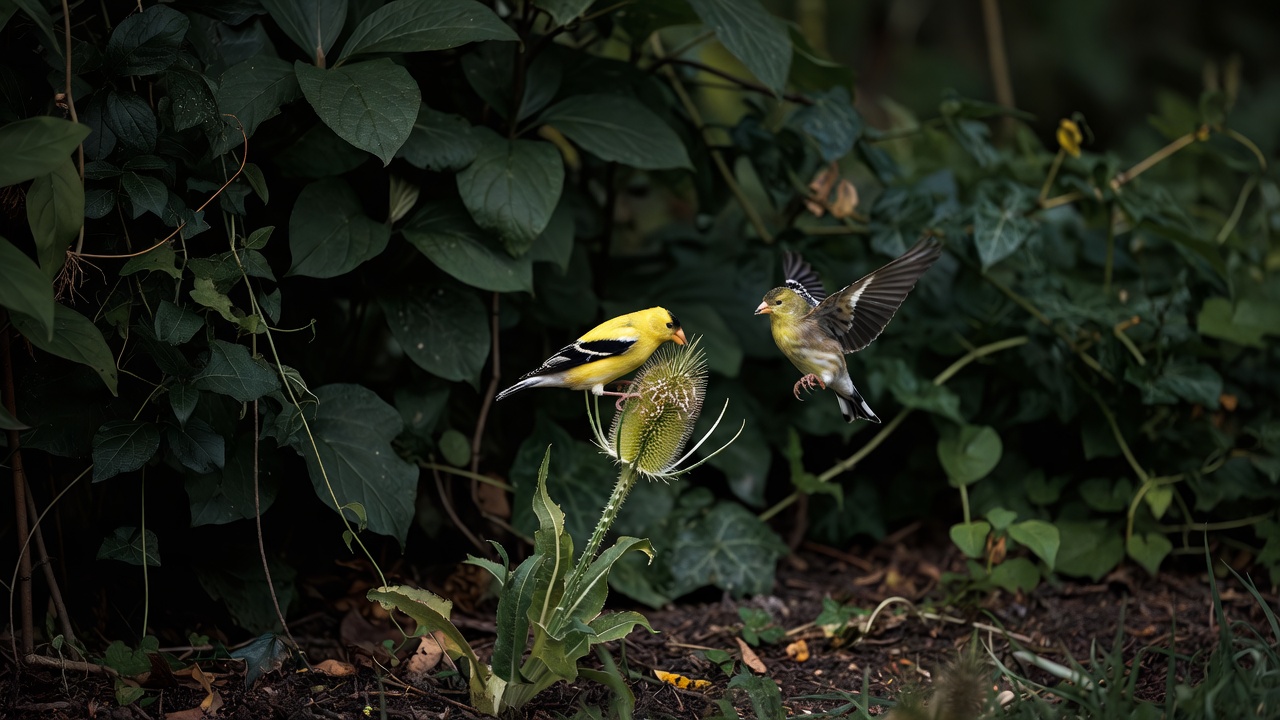
Garden light is rarely kind. Colours fade at dusk, cameras flatten tones, and birds sit in shadow. Luckily, shape, sound and behaviour travel well across a lawn.
Why colour is the least reliable witness
Ask a beginner how they identify a bird and they will usually say colour. Ask someone who has watched for decades, and they will talk about "jizz" — the overall impression of size, shape and movement. Colour is useful, but it changes with light, moult, wet feathers and camera sensors. Trail-camera images at night are often monochrome anyway. If you learn to start with the outline and the behaviour, colour becomes the confirming detail rather than the whole case.
Standard field guides such as the Collins Bird Guide by Lars Svensson in Europe or The Sibley Guide to Birds in North America are built around this idea: illustrations show birds in consistent poses so you can compare proportion and posture directly.
Shape and size: build a mental ruler
Compare every unknown bird with three you already know well. In a British garden, a robin, a blackbird and a woodpigeon make a handy scale: small, medium and large. Then ask:
- Bill: thick and conical (seed-eater, like finches and sparrows) or thin and fine (insect-eater, like dunnocks, wrens and warblers)?
- Tail: long, short, forked, cocked upright like a wren's, or flicked like a robin's?
- Posture: upright like a thrush on a lawn, or horizontal like a starling?
- Head and neck: round-headed and neckless, or long-necked and alert?
Sketch the silhouette before you reach for the name.
— Observation prompt
Call and song: identifying without seeing
Many garden birds are heard long before they are seen. A song thrush repeats each phrase two or three times. A wren's song is startlingly loud for its size and ends in a trill. A robin sings through autumn and winter, its song thinner and more wistful than in spring. Blackbirds give a rattling "chink-chink" alarm at dusk as they settle to roost.
Apps such as Merlin Bird ID from the Cornell Lab of Ornithology can suggest a match from a recording, and the xeno-canto archive holds hundreds of thousands of shared bird sounds for comparison. Treat app suggestions as a lead, not a verdict: write down what the app suggested and what you heard, and mark it as "app-assisted". Please never play recorded calls outdoors to draw birds in, especially in the breeding season — it can stress territorial birds and pull them from nests.
"Probably a dunnock" is an honest, useful record. "Definitely a rare warbler" from a blurry frame is not.
How to record uncertaintyHabit: behaviour is a fingerprint
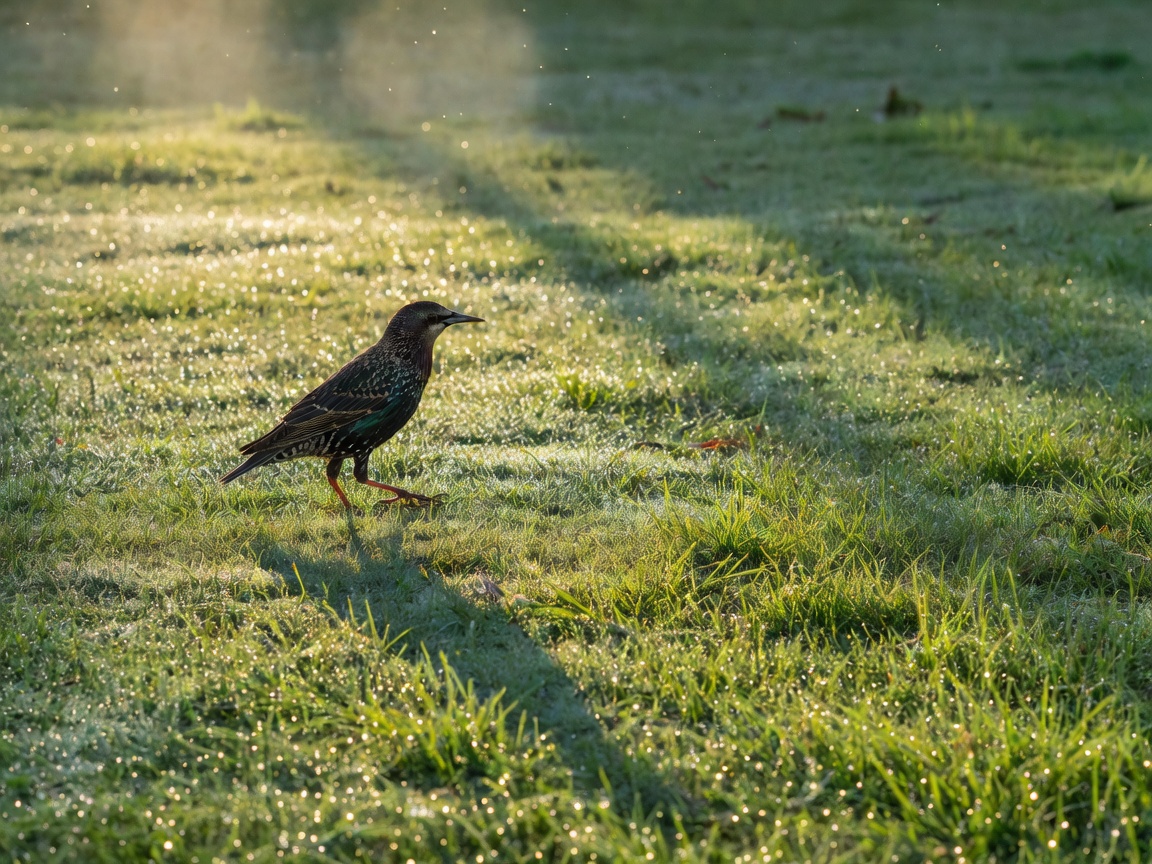
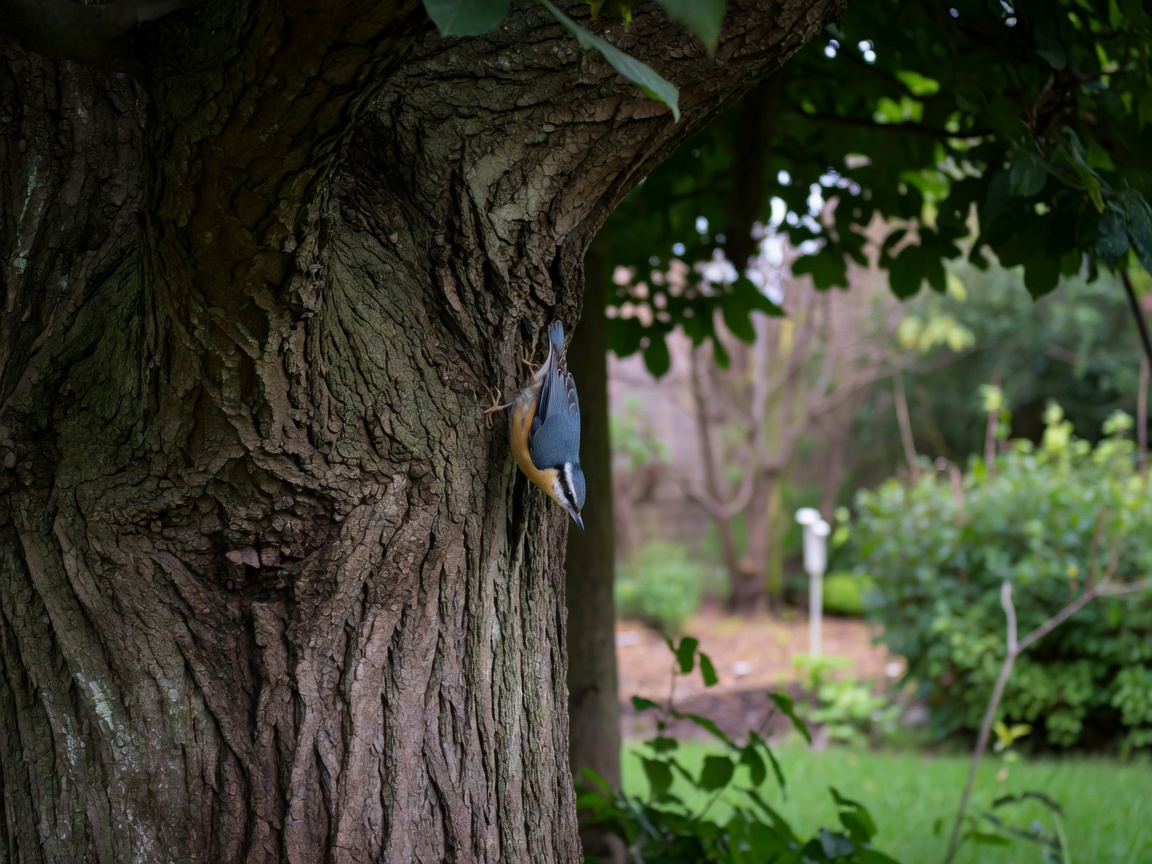
How a bird moves and feeds often separates look-alikes instantly. House sparrows hop in chattering groups; dunnocks shuffle alone under shrubs, flicking their wings. Starlings walk briskly and probe the lawn; blackbirds run, stop, tilt their heads and listen. Treecreepers spiral up trunks; nuthatches are the only British birds that routinely climb down headfirst. Woodpigeons waddle; collared doves are slimmer and quicker.
Habitat use matters too. Note where the bird was: on the ground in open lawn, low in cover, high in a tree, on a fence post, on seed-heads. Over weeks, these notes reveal patterns — a wren that always works the same stretch of ivy, a robin that arrives as soon as the soil is turned.
 Movement
Walk or hop?
Prompt: watch ten seconds of ground movement and write one word for it.
 Position
Where in the habitat?
Prompt: ground, low cover, trunk, canopy or perch? One label per sighting.
 Season
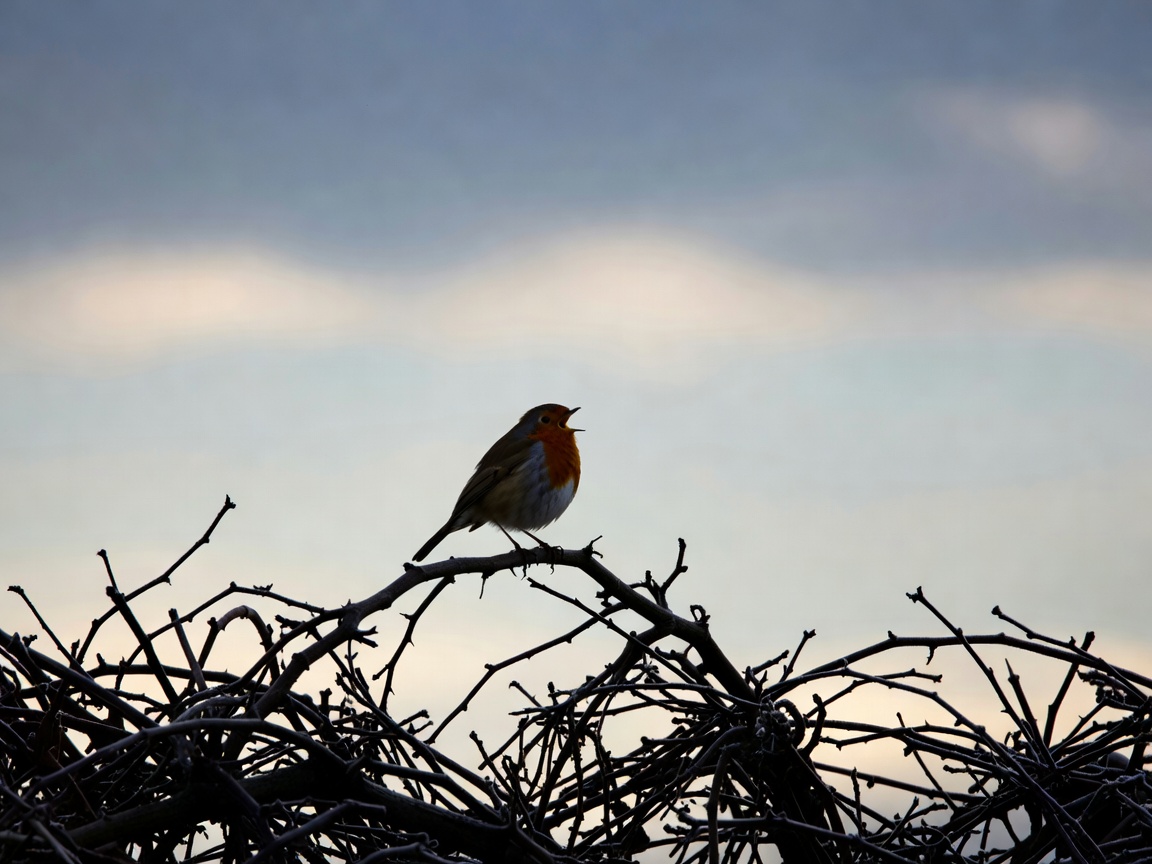
What month is it?
Prompt: note the season. Winter visitors like redwings change what's likely.
Season and likelihood
Context narrows possibilities. In a UK winter, a thrush with a creamy eyebrow and red flanks on your lawn is probably a redwing; in July it would be remarkable. Fieldfares, bramblings and siskins are also more likely in colder months. In spring, migrant blackcaps and chiffchaffs start singing. Checking eBird or the BTO's BirdTrack maps for your county shows what others are reporting nearby — a reality check before you announce a rarity.
Bringing it together
A good identification combines at least three clues: shape, behaviour and one of sound, habitat or plumage. When you only have one, say so. When you share a sighting for discussion, describe the evidence rather than the conclusion. Experienced watchers are usually far more willing to help with "here is what I saw" than with "is this a ...?". Take your notes to Field Notes for a simple template.