Garden habitat
Habitat: Make Room for Wildlife
A garden that feeds and shelters wildlife needs no lure. Make the space genuinely useful, and the visitors — and the honest observations — follow.
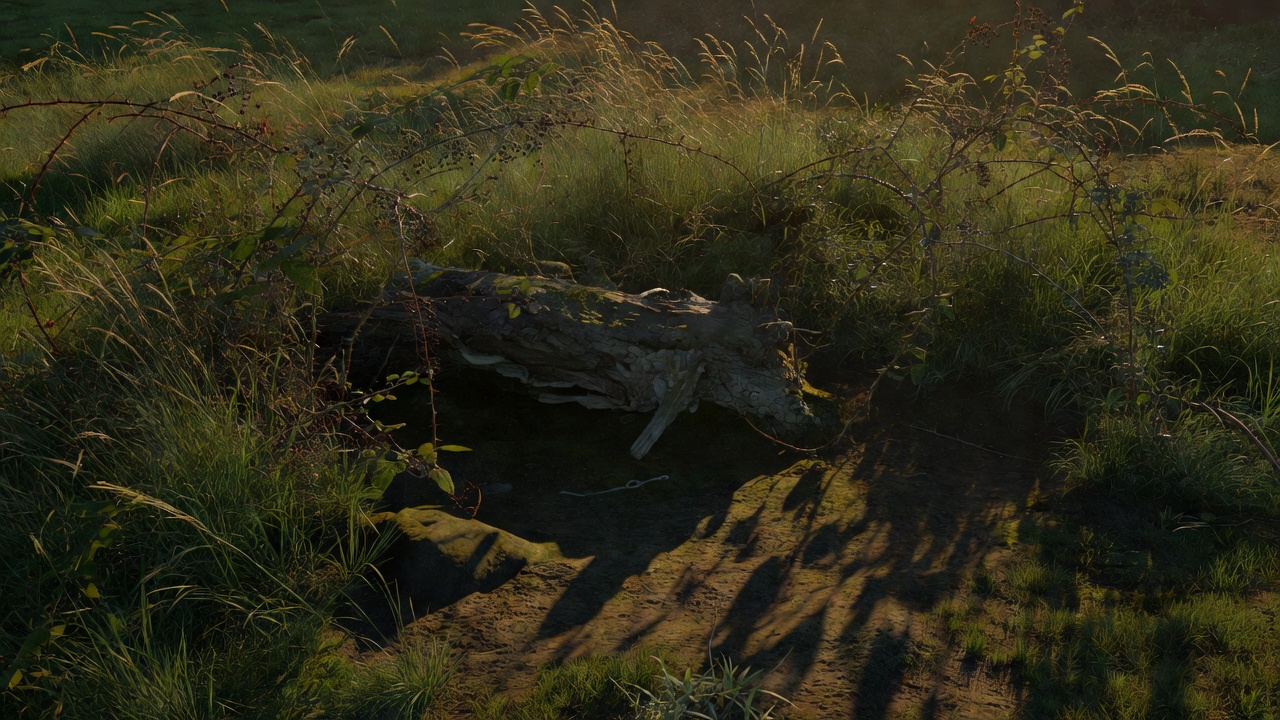
Think in layers, not lawns
Woodland edges are some of the richest habitats in any landscape, and a garden can imitate them. Think vertically: a canopy layer (a tree or tall shrub), a shrub layer (hedging, climbers), a field layer (perennials, long grass) and a ground layer (leaf litter, logs, stones). Each layer houses different insects, which in turn feed different birds. A neat lawn with a single fence offers almost none of this.
You don't need a large plot. Even a small yard can hold a climber on a wall, a pot of native flowers, a shallow dish of water and a pile of sticks behind a shed. The RSPB, the Wildlife Trusts and, in North America, the National Wildlife Federation's Garden for Wildlife programme all publish free guidance built around the same simple needs: food, water, cover and places to raise young.
Cover: the most overlooked resource
Birds rarely feed far from somewhere they can dive into if a sparrowhawk or cat appears. Dense, thorny shrubs such as hawthorn, blackthorn, holly and pyracantha provide safe perches and nesting sites. Ivy, often removed as untidy, gives winter shelter, late-autumn nectar for insects and berries in early spring when little else is fruiting.
- Delay hedge trimming until after the main nesting season — in the UK, roughly March to August — and always check carefully first.
- Leave some leaf litter under shrubs for foraging blackbirds, thrushes and dunnocks.
- Build a log pile in shade; beetles, woodlice and amphibians will move in.
- Let a patch of grass grow long through summer for insects and seed.
Plant for the insects, and the birds will find their own way in.
— Habitat principle
Water: shallow and clean
A pond is the single most effective wildlife feature in a garden, but a bird bath or a buried washing-up bowl helps too. The key is a gently sloping edge. Hedgehogs can drown in steep-sided ponds; a ramp of stones or a sloping beach lets them drink and climb out. Change bird-bath water regularly and scrub it every few days to reduce disease spread. Avoid adding fish to small wildlife ponds — they eat the frog spawn and dragonfly larvae you hoped to see.
Habitat is the only "bait" we recommend: it works when no one is watching.
Place a camera gentlyNatural food before feeders
Native plants support far more insects than most ornamental exotics. Seed-heads left standing over winter — teasel, knapweed, sunflower — feed goldfinches and other finches. Berrying shrubs such as rowan, elder and guelder rose supply thrushes and blackbirds in autumn. If you also put out bird food, keep it consistent, clean feeders weekly, and follow hygiene advice from the RSPB or BTO, especially given past outbreaks of trichomonosis in finches. When signs of illness appear, pause feeding for a couple of weeks.
Corridors: one garden is never enough
Hedgehogs can roam a kilometre or more in a night, visiting many gardens. Solid fences and walls cut them off. The Hedgehog Street campaign, run by the People's Trust for Endangered Species and the British Hedgehog Preservation Society, recommends a gap of about 13 cm by 13 cm at the base of boundaries. Talk to your neighbours first; a linked row of gardens is one of the biggest things a street can do together.
Remove hazards quietly
Netting left loose on fruit cages, uncovered drains, slug pellets and garden chemicals all harm wildlife. Check long grass before strimming, and look inside bonfire piles before lighting them. Keep cats indoors at dawn and dusk during fledging season if you can. These small adjustments rarely make good footage, but they make the garden safer.
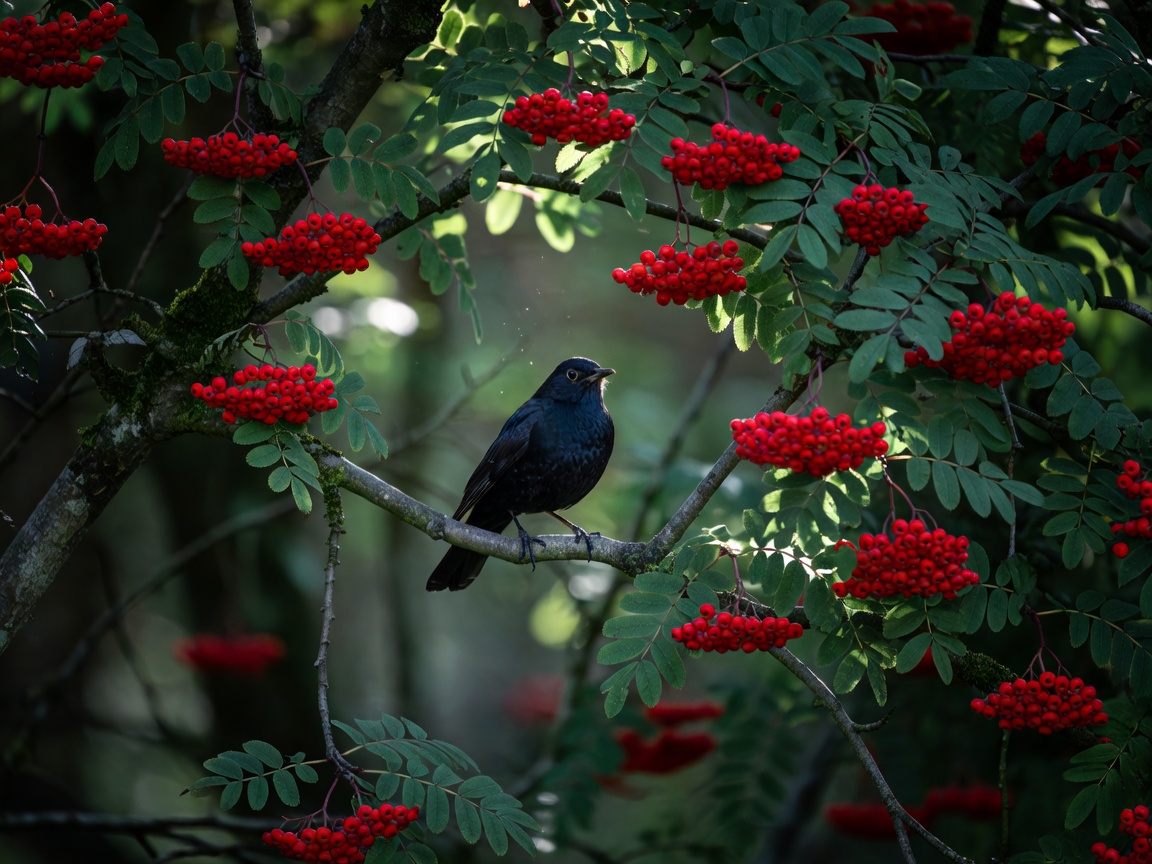 Food
Track the berries
Note when fruit ripens and which birds arrive — a season-by-season record.
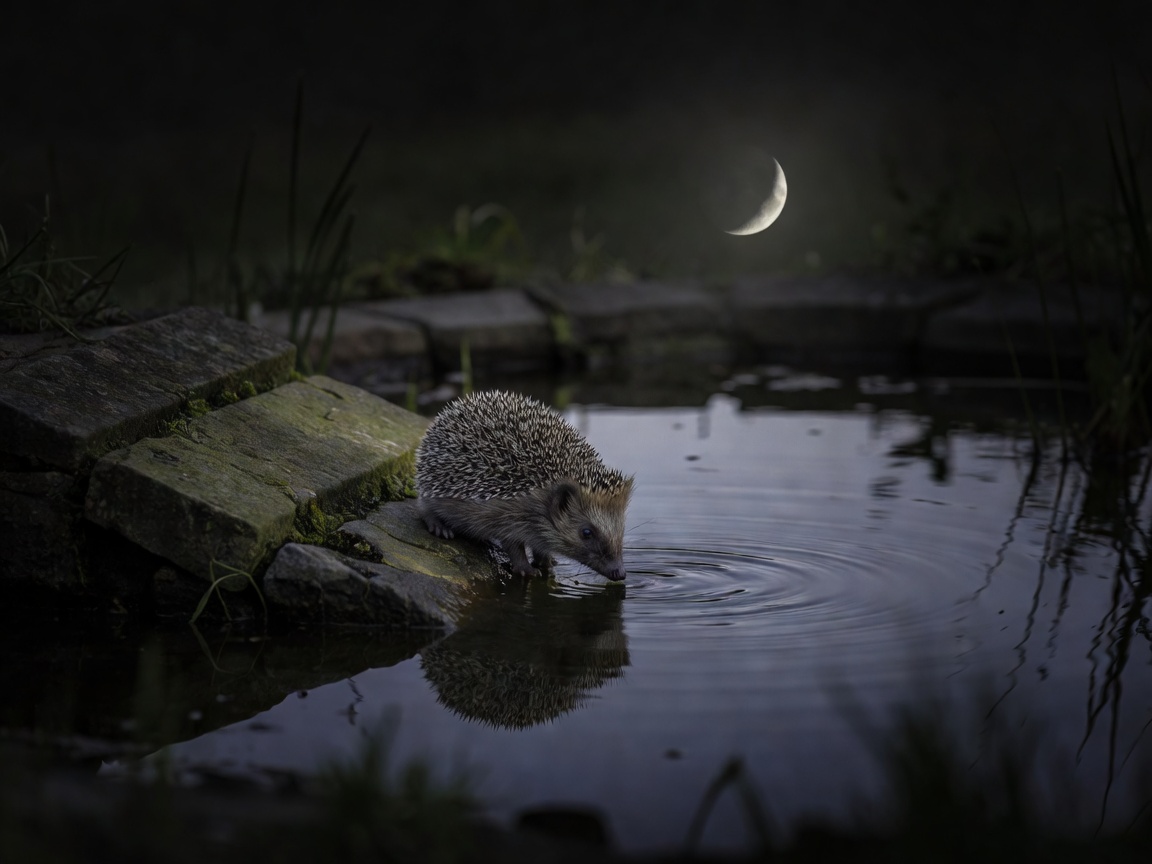 Water
Watch the ramp
A distant camera on the pond edge shows whether your slope works.
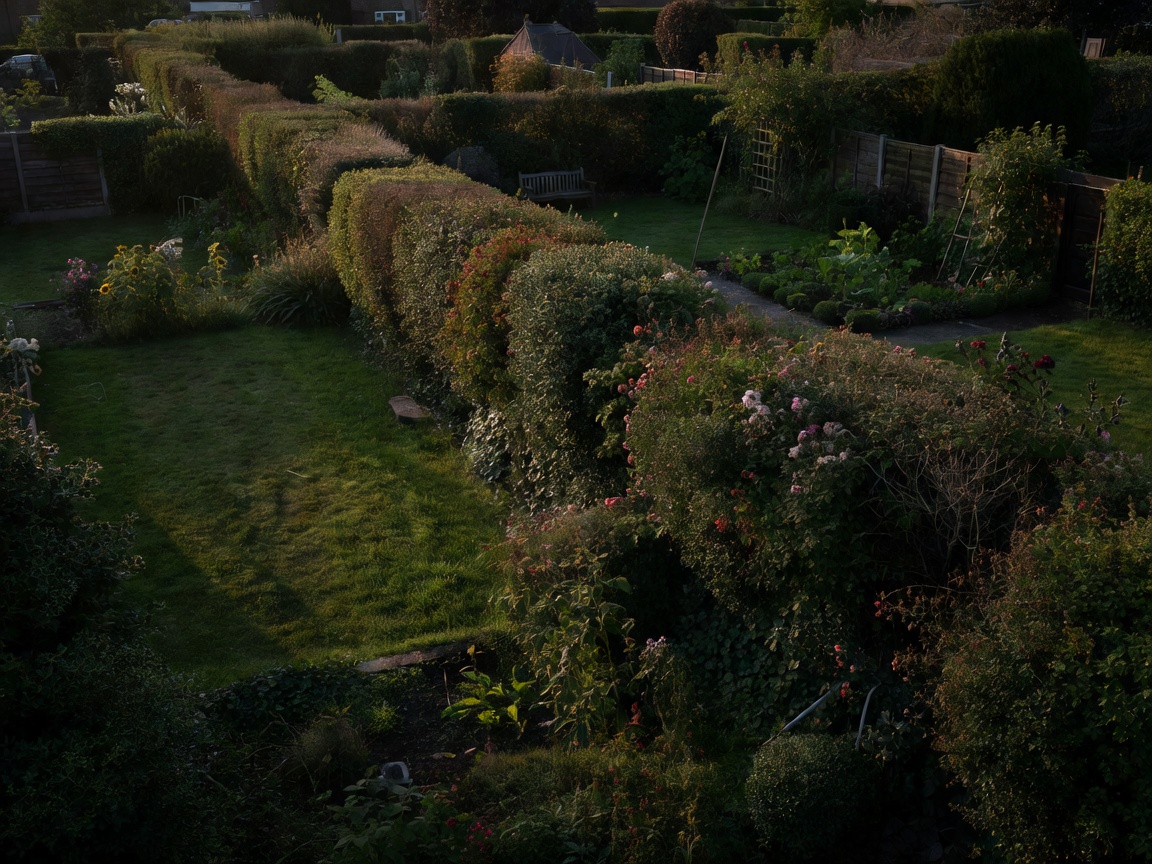 Corridor
Share your street's route
Tell us how your neighbourhood connected its gardens.